What roofing material is the best?
Most standard roofing materials last between 20 and 50 years. Asphalt shingles typically last 15–30 years, while metal roofing can endure 40–70 years. Premium materials like slate or clay tile often exceed 100 years. Climate, installation quality, and regular maintenance are the primary factors influencing actual durability.
How long does an asphalt shingle roof last?
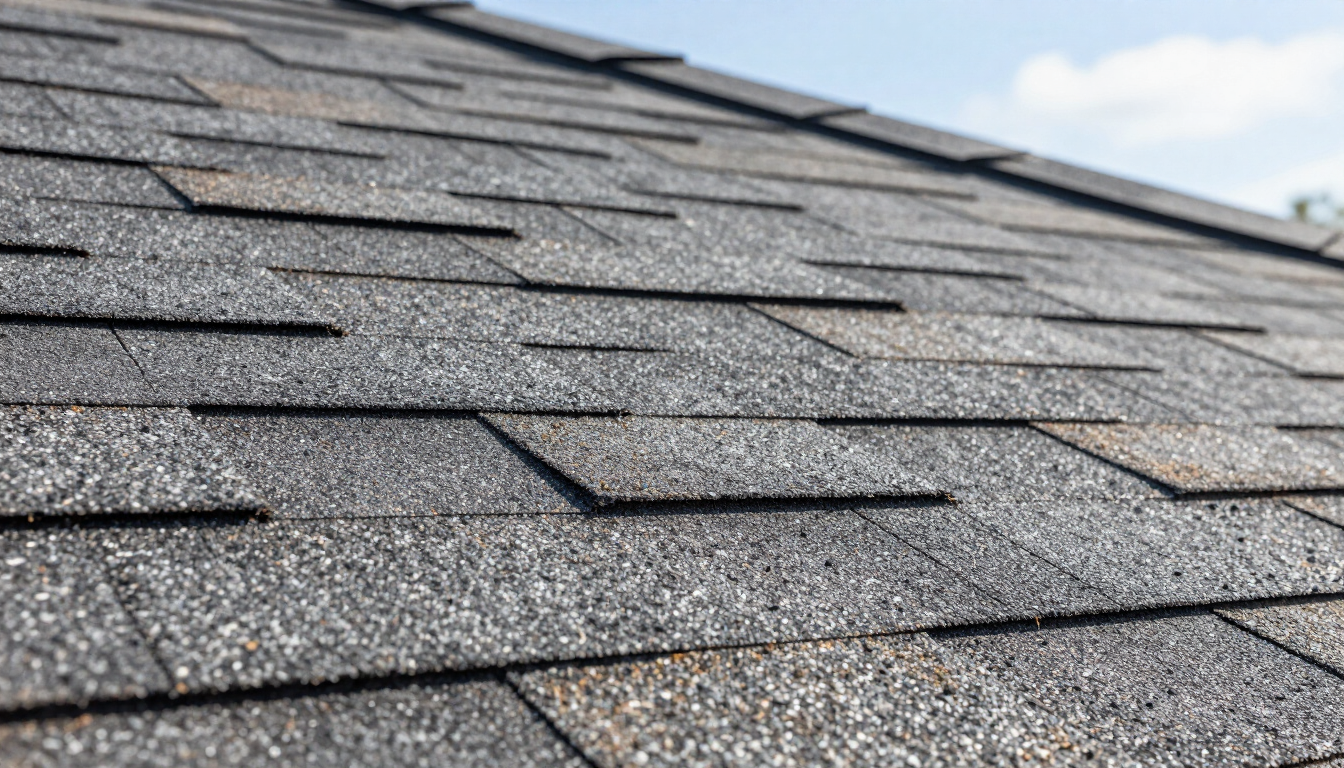
Asphalt shingles are the most popular choice for residential roofing because they offer a balance between affordability and protection. Typically, a standard architectural asphalt shingle roof will last between 20 and 30 years. However, this lifespan varies significantly based on the specific type of shingle used. Three-tab shingles, which are thinner and less expensive, usually only last 15 to 20 years. In contrast, premium designer shingles are thicker and more resilient, often reaching the 30-year mark with ease.
In Salt Lake and Utah Counties, the intense summer sun and heavy winter snow can accelerate the aging process. The UV rays break down the asphalt granules that protect the shingle from moisture, leading to brittleness. Once the shingles become brittle, they are more susceptible to cracking and wind damage. Homeowners should look for shingles with high wind resistance ratings and impact resistance, especially if they live in areas prone to summer thunderstorms or high-altitude weather patterns.
Regular maintenance is essential for maximizing the lifespan of asphalt. This includes keeping gutters clear to prevent water backup and ensuring the attic is properly ventilated. Heat buildup in an unventilated attic can "cook" the shingles from the inside out, causing them to curl and lose their integrity prematurely. If you notice significant granule loss in your downspouts, it may be time to schedule a professional inspection to assess the remaining life of your roof.
Comparing Metal Roofing vs. Asphalt Shingles
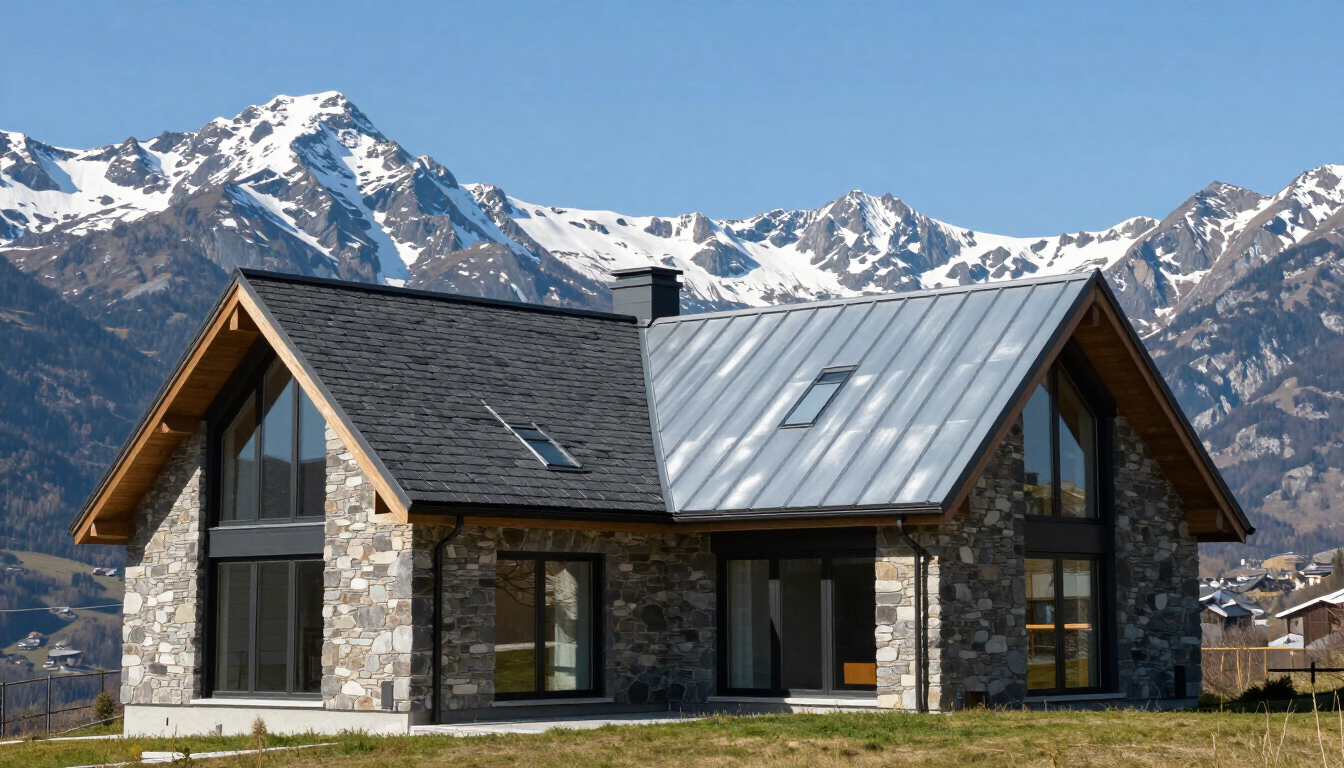
When homeowners consider a replacement , the debate often centers on metal versus asphalt. Metal roofing is renowned for its exceptional longevity, often lasting two to three times longer than asphalt. While the upfront cost is higher, the long-term value is significant because you may never need to replace the roof again during your lifetime. Most metal roofs carry warranties ranging from 40 to 70 years.
Metal roofs are highly resistant to the elements. They do not rot, they are fire-resistant, and they easily shed heavy snow loads, which is a major advantage in Utah’s climate. There are two primary types of metal roofing systems:
- Standing seam metal panels
- Corrugated or ribbed metal sheets
- Metal shingles or tiles
- Stone-coated steel systems
Standing seam systems are particularly durable because the fasteners are concealed, protecting them from exposure to rain and snow. This reduces the risk of leaks over time. Beyond durability, metal roofs are highly reflective, which can lower cooling costs during hot Utah summers by reflecting solar radiant heat away from the home. This energy efficiency adds to the overall value proposition of the material.
Which roofing material has the longest lifespan?
For those looking for a "forever" roof, slate, clay, and concrete tiles are the top contenders. Slate is widely considered the king of roofing materials, with a lifespan that can exceed 100 or even 150 years. It is a natural stone that is incredibly dense and resistant to fire and water. However, slate is also the heaviest and most expensive material, requiring a reinforced roof structure to support the immense weight.
Clay and concrete tiles are also exceptionally durable, typically lasting 50 to 100 years. These materials are common in Mediterranean or Southwestern style architecture. They are excellent at insulating the home and are virtually immune to rot and insect damage. The primary drawback, similar to slate, is the weight and the fragility of the individual tiles; while they last a long time, they can crack if walked upon by someone inexperienced.
Commercial Roofing Material Durability
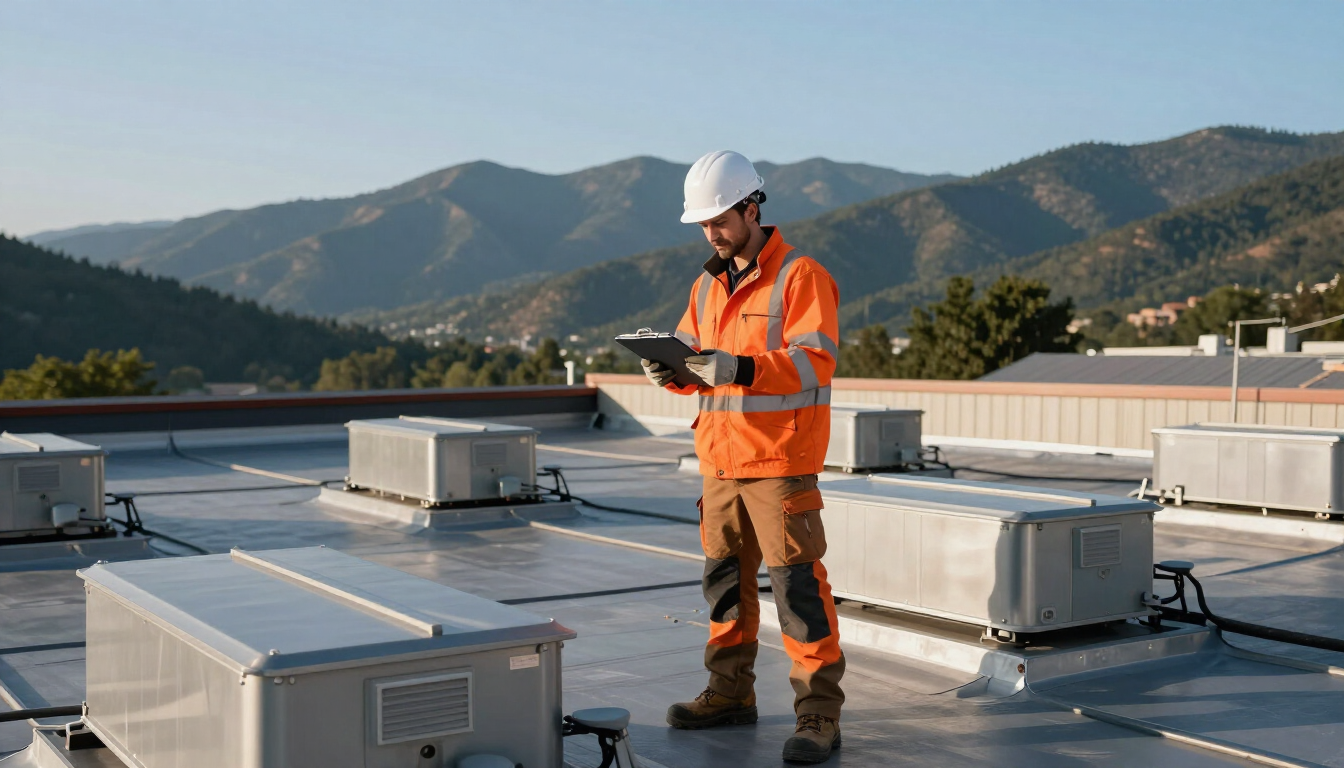
Commercial properties have different needs than residential homes, often utilizing flat or low-slope roofing systems. For commercial roofing , materials like EPDM, TPO, and PVC are the standard. Each of these has a unique lifespan and performance profile designed for large-scale protection.
- EPDM (Rubber): 25–35 years
- TPO (Thermoplastic): 20–30 years
- PVC (Polyvinyl Chloride): 20–30 years
- Built-Up Roofing (BUR): 15–25 years
- Modified Bitumen: 20 years
EPDM is known for its durability against extreme temperatures, making it a reliable choice for the fluctuating weather in Northern Utah. TPO has gained popularity because of its reflective white surface, which helps reduce the heat island effect for large commercial buildings. However, because TPO is a relatively newer technology, its long-term performance is still being benchmarked against the decades of data available for EPDM. Proper installation is the most critical factor for commercial systems, as poor seam welding can lead to leaks long before the material itself fails.
Factors Affecting Roof Longevity in Utah
While the material choice sets the baseline for a roof's life, local environmental factors play a massive role. In the Salt Lake valley, we experience wide temperature swings, high UV exposure, and significant snowfall. These factors combine to create a harsh environment for any roofing system. Thermal expansion and contraction—where materials grow and shrink as temperatures change—can cause fasteners to loosen and sealants to fail over time.
Wind is another factor. The canyons in Utah can produce high-velocity winds that peel back shingles or lift metal panels if they weren't installed to local code specifications. Furthermore, the weight of snow can stress the underlying structure. A roof that isn't designed to handle the specific snow load of your elevation may experience sagging or structural failure, regardless of how long the shingles themselves are rated to last. Regular repair of minor issues like loose flashing can prevent these environmental factors from turning into a total roof failure.
How often should you inspect your roof?
To ensure your roofing material reaches its maximum lifespan, you should have it professionally inspected at least once a year. Ideally, inspections should happen in the spring to check for winter damage and in the fall to prepare for the upcoming snow. Post-storm inspections are also vital if the area has experienced high winds or hail. An expert can spot small problems, like a single cracked tile or a lifting shingle, before water penetrates the decking and causes expensive internal damage.
When is it time for a full roof replacement?
Knowing when to stop repairing and start replacing is key to protecting your investment. You should consider a full replacement if you notice consistent leaks in multiple areas, significant sagging of the roofline, or if the material has reached the end of its manufacturer-rated lifespan. For asphalt roofs, visible signs like "balding" shingles (loss of granules) and widespread curling are clear indicators that the protective layers are gone.
Internal signs also matter. Check your attic for water stains, mold growth, or light peeking through the boards. If your energy bills have suddenly spiked, it might be due to a compromised roof that is no longer providing adequate insulation. When these signs appear, it is best to contact a professional to discuss your options and get a quote for a new, durable system.
Summary of Roofing Material Durability
Choosing the right roofing material involves balancing upfront costs with long-term durability. While asphalt is cost-effective for 20–30 years, metal and tile offer superior longevity that can last a lifetime. In Utah, the climate demands high-quality installation and regular maintenance to ensure these materials reach their full potential.
Key Takeaways:
- Asphalt shingles last 15–30 years and are the most budget-friendly.
- Metal roofing offers 40–70 years of protection and high energy efficiency.
- Tile and slate are the longest-lasting, often exceeding 50 to 100 years.
- Annual inspections are the most effective way to extend any roof's life.
- Climate-specific installation is crucial for managing Utah's snow and sun.